
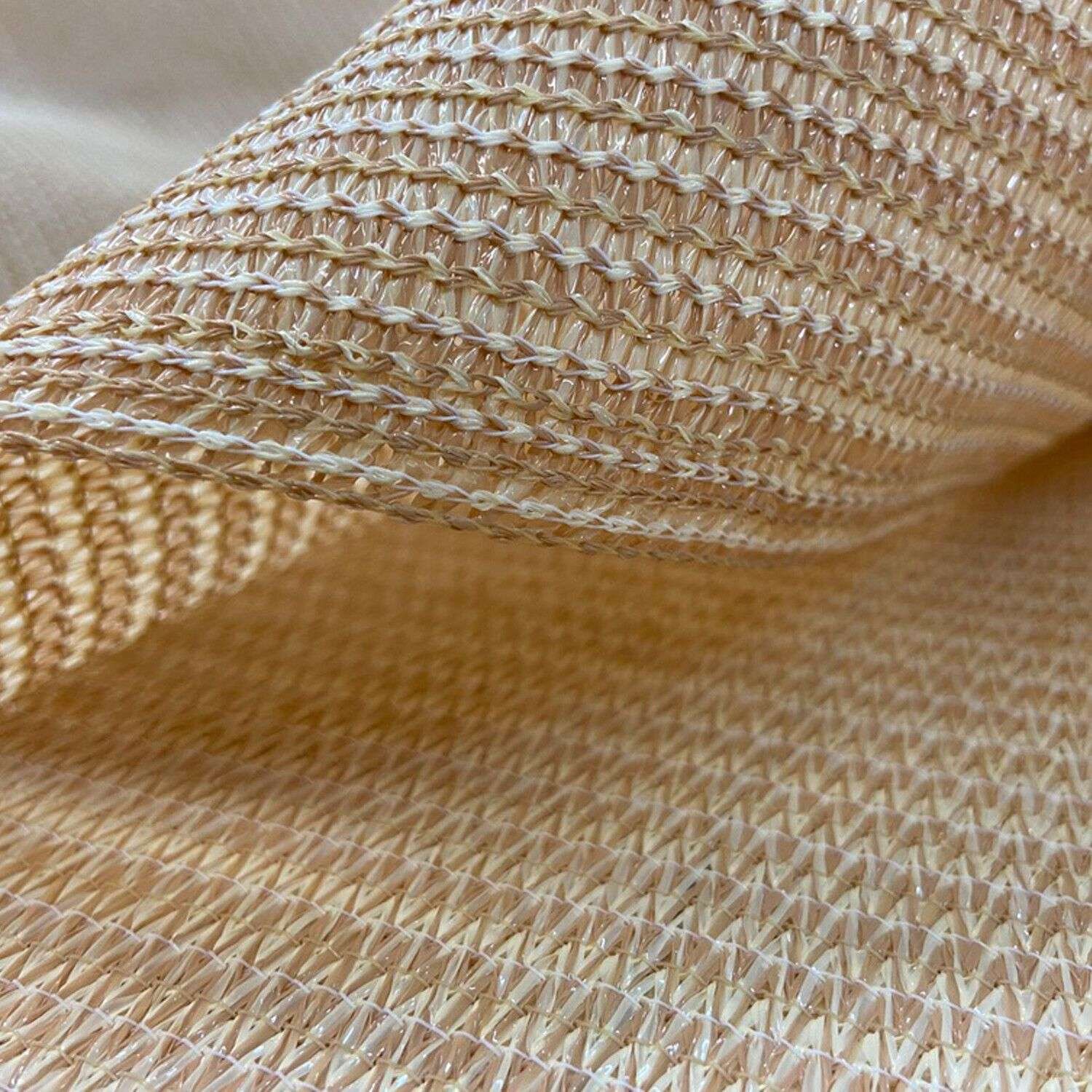
HDPE
HDPE, or High Density Polyethylene, is a widely used synthetic fabric and plastic material known for its strength, light weight, and excellent resistance to moisture and chemicals. In the context of tents, tarpaulins, and shade solutions, HDPE is most commonly used as woven or knitted fabric for shade nets, lightweight covers, and protective sheeting.
HDPE products are valued for their cost effectiveness, ease of handling, and reliable outdoor performance, making them a popular choice for both commercial and domestic applications.
Key Features of HDPE
1. Lightweight and Easy to Handle
HDPE fabric is significantly lighter than PVC and canvas, making it easy to transport, install, and store. This makes it ideal for temporary structures and applications that require frequent setup and removal.
2. Excellent Water and Moisture Resistance
HDPE does not absorb water, which helps prevent rot, mildew, and bacterial growth. While standard HDPE shade fabric is breathable rather than fully waterproof, laminated or coated HDPE tarpaulins can provide effective water resistance for many applications.
3. UV Stabilization
HDPE fabrics are typically treated with UV stabilizers to protect against sun damage. This improves resistance to fading and degradation, extending the usable life of the material in outdoor environments, especially in hot and sunny climates.
4. High Tensile Strength
Despite being lightweight, HDPE offers good tensile strength and resistance to stretching. This allows it to perform well in windy conditions and under moderate mechanical stress.
5. Breathability and Airflow
Many HDPE shade fabrics are designed to allow air to pass through. This reduces heat buildup and wind pressure, making HDPE an excellent choice for shade structures, agricultural applications, and outdoor comfort areas.
6. Cost Effective Solution
HDPE is one of the most economical materials for outdoor covers and shade systems. It delivers good performance at a lower cost compared to PVC and advanced membrane materials.
Common Applications
HDPE is used across a wide range of industries and outdoor environments, including:
- Shade nets and shade sails
- Agricultural covers and crop protection
- Construction site netting and safety screens
- Lightweight tarpaulins
- Temporary shelters and tents
- Parking shade structures
- Fencing and privacy screens
- Pool and garden shade systems
Its versatility and affordability make it suitable for both large-scale commercial use and small residential projects.
Advantages of HDPE
HDPE offers several advantages that make it a practical choice:
- Low material and installation cost
- Easy handling and fast installation
- Good UV resistance when stabilized
- Breathable fabric for improved comfort
- Resistance to moisture and rot
These benefits make HDPE ideal for applications where budget, ventilation, and ease of use are key priorities.
Maintenance and Care
HDPE products require minimal maintenance. Regular cleaning with water is usually sufficient to remove dust and dirt. Proper storage away from direct heat sources and sharp objects will help maintain fabric integrity and extend product life.
Conclusion
HDPE is a practical, lightweight, and cost-effective material for shade, cover, and protection solutions. Its balance of durability, breathability, and affordability makes it a preferred option for agricultural, construction, and general outdoor applications.