

Labor Rest Area Tents
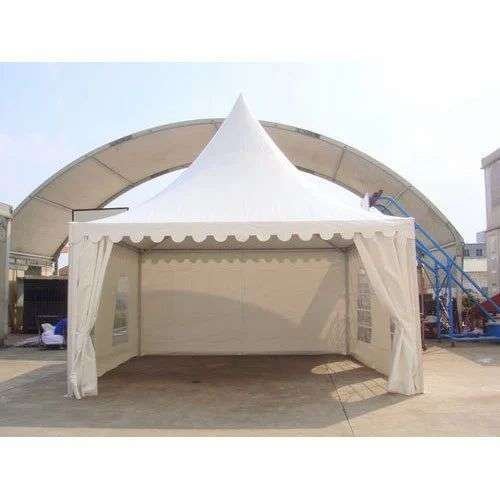
Labor rest area tents are temporary shelters designed to provide workers with shaded, comfortable spaces for breaks at construction or industrial sites. Made from durable, weather-resistant materials, they protect against sun, wind, and rain. These tents promote worker safety, reduce heat stress, and improve productivity by offering a designated rest area.
Labour and Rest Areas: Building Health, Safety, and Productivity at the Workplace
Labour and rest areas are a critical yet often overlooked part of modern workplaces, especially in construction sites, manufacturing units, warehouses, and large scale industrial projects. Providing dedicated spaces for workers to rest, eat, hydrate, and recover is not just a matter of comfort. It is a key factor in maintaining health, safety, morale, and long term productivity. Well planned labour and rest areas demonstrate a company’s commitment to worker welfare and regulatory compliance.
What Are Labour and Rest Areas
Labour and rest areas are designated spaces where workers can take breaks away from active work zones. These areas may include shaded or enclosed shelters, seating arrangements, drinking water stations, dining spaces, washrooms, changing rooms, and in some cases, sleeping or recovery rooms for long shifts.
On construction and infrastructure sites, rest areas are often temporary structures such as portable cabins, aluminum shelters, or tented facilities. In factories and permanent workplaces, they may be purpose built rooms integrated into the facility layout. Regardless of the format, the purpose remains the same to provide workers with a safe and hygienic place to rest and recharge.
Importance for Health and Safety
One of the primary reasons for creating proper rest areas is to protect worker health and safety. Continuous physical labor without adequate breaks can lead to fatigue, dehydration, heat stress, and increased risk of accidents. When workers are tired, their concentration drops and the chances of mistakes and injuries rise significantly.
Rest areas allow workers to cool down, hydrate, and recover physically. In hot or high risk environments, shaded and ventilated rest spaces are especially important. Access to clean drinking water, wash facilities, and seating helps prevent heat related illnesses and musculoskeletal strain. These measures directly contribute to fewer incidents and safer job sites.
Compliance With Labour Laws and Standards
Many countries and regions have labour regulations that require employers to provide rest breaks, drinking water, sanitation facilities, and basic welfare amenities. Proper labour and rest areas help organizations meet these legal obligations and avoid penalties, disputes, and reputational damage.
In regulated industries such as construction, mining, and manufacturing, inspections often include checks on worker welfare facilities. Having clearly defined and well maintained rest areas supports compliance with occupational health and safety standards and demonstrates responsible management practices.
Impact on Morale and Productivity
Worker morale is closely linked to how valued and supported employees feel. Providing clean, comfortable rest areas sends a strong message that the organization cares about its workforce. When workers have a place to sit, eat, and relax during breaks, they return to work more refreshed and motivated.
This has a direct impact on productivity. Rested workers are more alert, make fewer errors, and maintain better work quality. Over time, this leads to improved efficiency, reduced rework, and better overall project outcomes. Investing in rest areas is not a cost burden. It is a practical strategy for improving operational performance.
Design Considerations for Effective Rest Areas
Effective labour and rest areas should be planned with the actual working conditions in mind. Key considerations include location, accessibility, cleanliness, and protection from weather. Rest areas should be close enough to work zones to be convenient, but far enough to provide a true break from noise, dust, and hazards.
Seating should be adequate and comfortable. Ventilation and lighting should be sufficient to create a pleasant environment. Hygiene facilities such as hand washing stations and waste disposal should be regularly maintained. In larger sites, separate areas for eating, resting, and changing clothes can further improve comfort and organization.
Use of Temporary and Modular Structures
For project based or remote sites, temporary and modular structures are a practical solution for creating labour and rest areas. Portable cabins, aluminum shelters, and modular units can be quickly installed and relocated as the project progresses. These structures can be fitted with fans, air cooling, insulated panels, and basic furniture to enhance comfort.
Modular solutions also allow companies to scale facilities based on workforce size. As the number of workers increases, additional units can be added without major disruption.
Conclusion
Labour and rest areas are an essential part of responsible workplace management. They protect worker health, support safety compliance, improve morale, and enhance productivity. Whether in permanent facilities or temporary project sites, well designed rest areas reflect a company’s commitment to dignity, care, and operational excellence. By prioritizing worker welfare through proper rest facilities, organizations build not only safer workplaces but also stronger, more sustainable teams.

FAQs
A1: Consider the number of occupants and the equipment you plan to bring to ensure ample space.
A2: Inflatable tents offer convenience but may not be suitable for extreme weather. Consider the intended use before making a choice.
A3: Many European tents allow customization. Check with the manufacturer for options to personalize your camping experience.
Accordion Content
A5: The camping industry in Europe is increasingly embracing sustainability. Look for tents made from eco-friendly materials for a more environmentally conscious choice.