
Dome
Tents
Modern, spacious and professionally designed dome tent structures created for events, hospitality, commercial and outdoor applications.
Get a Quote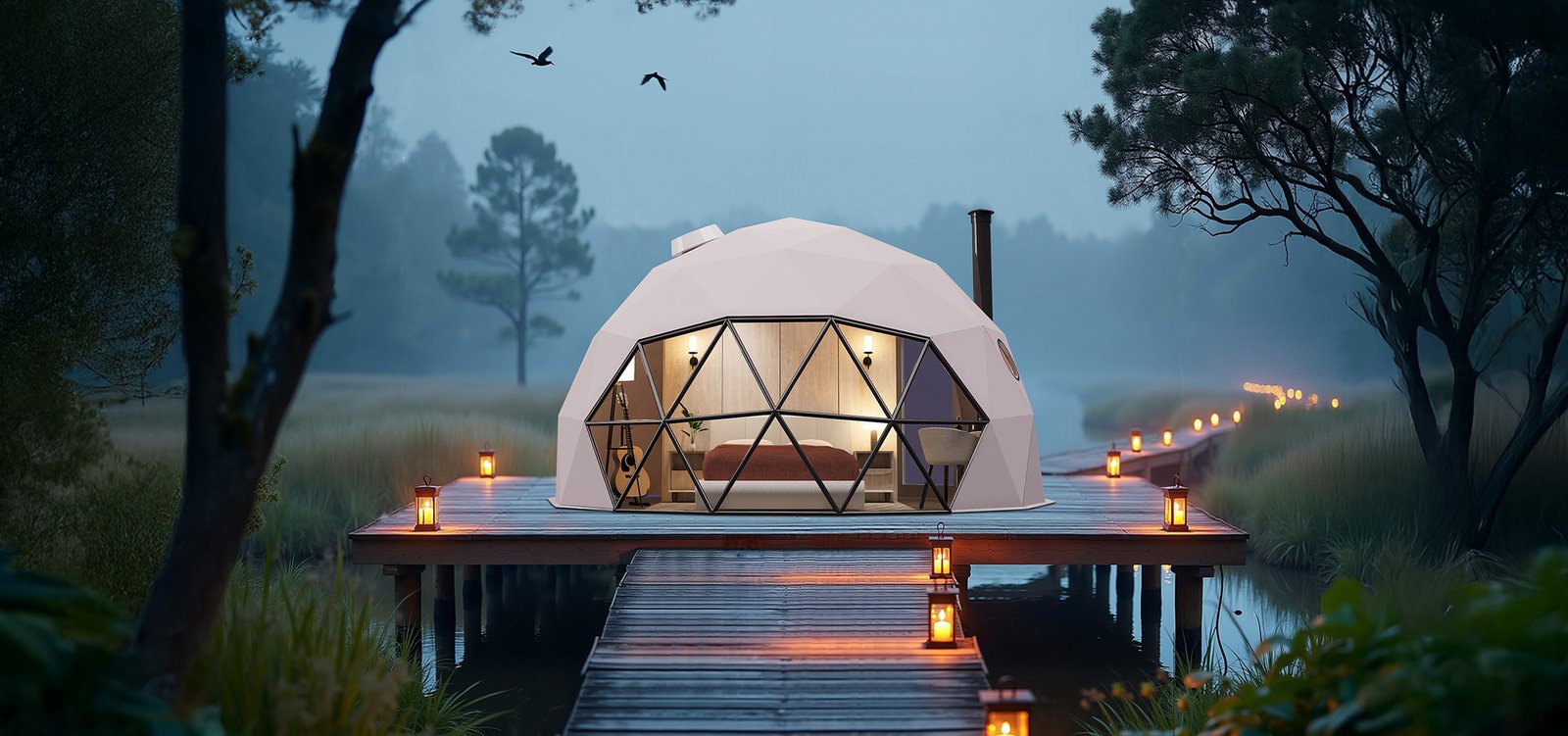
Dome Tents for Events, Hospitality & Outdoor Applications
Dome Tents are modern, spacious and professionally designed temporary structures suitable for a wide range of outdoor, commercial, hospitality and event applications.
At Al Daiem Tents Industries L.L.C. SP, we provide practical dome tent solutions designed around different space, operational and project requirements. Dome-shaped structures offer an attractive appearance with efficient interior space, making them suitable for events, hospitality areas, exhibitions, recreational facilities and temporary commercial applications.
Reliable Structures
Efficient Interiors
Multiple Applications
Premium Dome Tent Solutions for Events & Outdoor Applications
Spacious Outdoor Areas With
Distinctive Dome Design
Dome tents provide an efficient solution when a spacious, attractive and professionally presented covered area is required for events, hospitality or commercial activities. Their distinctive dome-shaped design creates an open interior environment while providing an eye-catching appearance for guests, customers and visitors.
These tent structures can be used for exhibitions, events, hospitality areas, recreational spaces, promotional activities, temporary commercial facilities and outdoor experiences. Their adaptable structure allows covered areas to be planned according to the available space, expected capacity and specific project requirements.
Dome tent structures can create practical and visually distinctive temporary spaces while maintaining a clean and professional environment for guests, customers, employees and visitors.
Built for Performance, Space, Flexibility & Presentation
Durable Structure
Strong structural framing is designed for dependable use across a variety of outdoor and commercial applications.
Spacious Interiors
Dome-shaped designs provide efficient interior space for different capacities, layouts and activities.
Outdoor Ready
Suitable for events, hospitality, recreational activities and other outdoor requirements.
Modern Appearance
Distinctive dome styling creates an attractive and professional environment for visitors and businesses.
Where Dome Tents Can Be Used
Dome tents are suitable for organizations, businesses, hospitality operators and event planners that require attractive covered space with flexibility, durability and distinctive presentation.
Corporate Events & Functions
Exhibitions & Trade Shows
Weddings & Social Events
Hospitality & Outdoor Dining
Festivals & Public Events
Temporary Commercial Spaces
Recreational & Leisure Areas
Promotional Brand Activations
A Practical Solution for Modern Outdoor Requirements
Dome tent solutions offer a practical and visually distinctive alternative when additional covered space is required without permanent construction. Their spacious interior, attractive design and adaptable layout can support different event, hospitality, commercial and recreational requirements.
For projects in the UAE and wider Gulf region, a professionally planned dome tent structure can provide a balance of strength, functionality, appearance and flexibility for changing outdoor requirements.
Dome Tents for Events, Hospitality & Outdoor Use
Dome tents are increasingly used for applications where businesses, organizations and event planners need spacious, attractive, adaptable and professionally presented outdoor structures. From corporate functions and exhibitions to hospitality facilities, recreational spaces and temporary commercial areas, these structures can be configured according to the requirements of the site and project.
Al Daiem Tents Industries L.L.C. SP offers dome tent solutions for a variety of outdoor requirements, helping clients create functional and visually distinctive covered spaces for events, hospitality activities, promotional programs, recreational facilities and temporary commercial applications.
Need a Dome Tent for Your Project?
Speak with our tent specialists about your space, application and project requirements.