Arabic Traditional Tents
Arabic traditional tents, known as Bayt al-Sha’ar, are portable dwellings historically used by Bedouin tribes. Woven from goat or camel hair, they provide shade, ventilation, and protection against desert heat and sand. Their spacious interiors are divided for hospitality and family living, reflecting nomadic culture, craftsmanship, and strong social values.
Arabic and Traditional Tents: A Blend of Heritage, Comfort, and Cultural Elegance
Arabic and traditional tents hold a special place in the history and culture of the Middle East, North Africa, and parts of Asia. For centuries, these tents have been more than just shelters. They represent hospitality, community, and a deep connection to tradition. Today, Arabic and traditional tents are widely used not only for cultural purposes but also for modern events, tourism, and themed environments, combining heritage aesthetics with contemporary comfort.
Historical and Cultural Significance
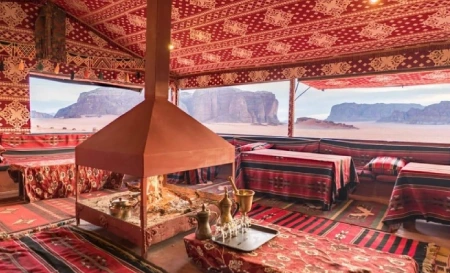
Traditional Arabic tents, often inspired by Bedouin culture, were originally designed for nomadic lifestyles in desert environments. These tents were made from natural materials such as goat hair, camel hair, and woven fabrics that provided insulation against heat during the day and warmth during cold desert nights. The design reflected a practical understanding of the harsh climate while also expressing cultural identity.
Beyond their functional role, these tents became important social spaces. They were used to host guests, hold tribal meetings, and celebrate important occasions. Hospitality is a core value in Arabic culture, and the tent served as a welcoming space where visitors were received with generosity and respect. This cultural heritage continues to influence how traditional tents are used and appreciated today.
Design and Aesthetic Appeal
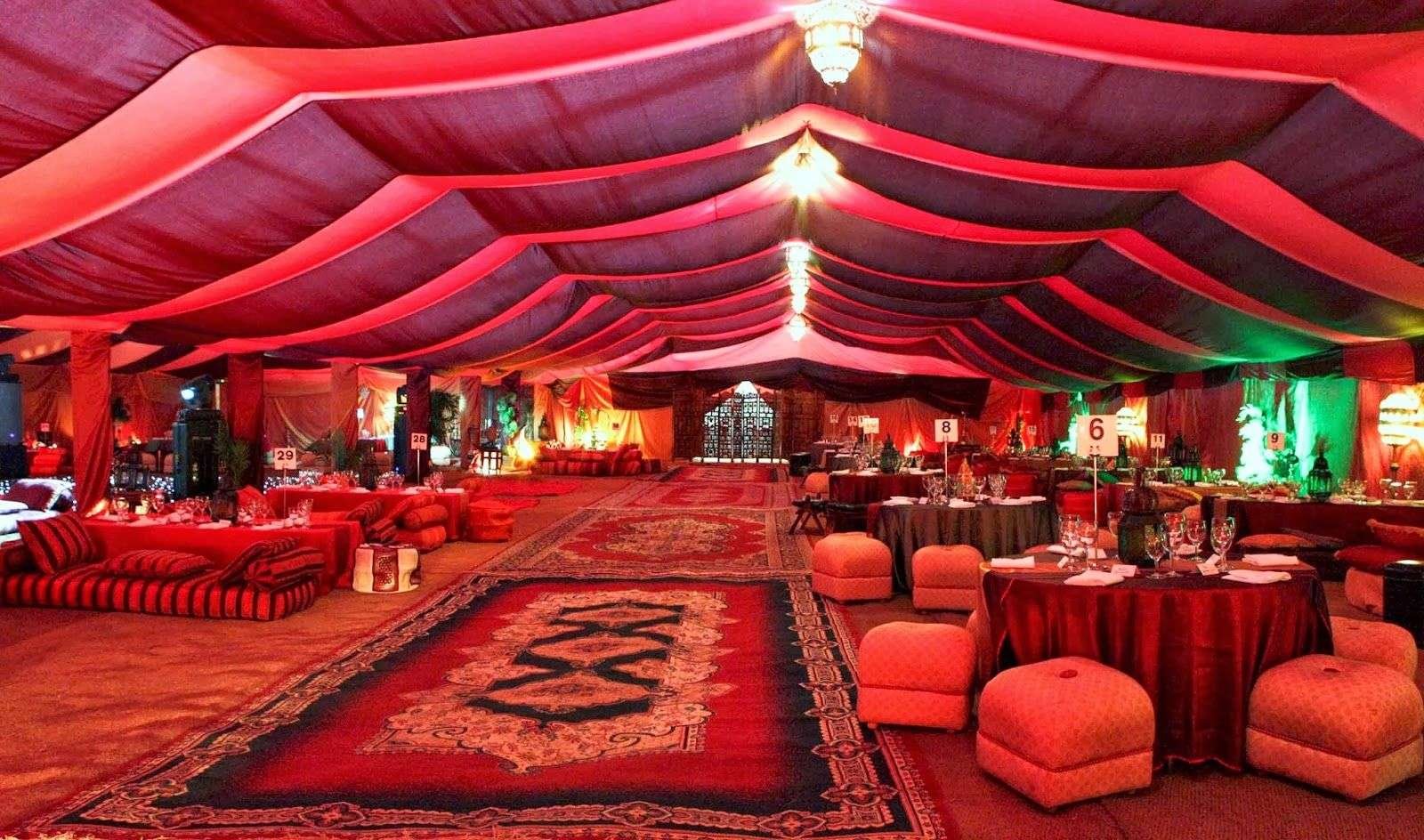
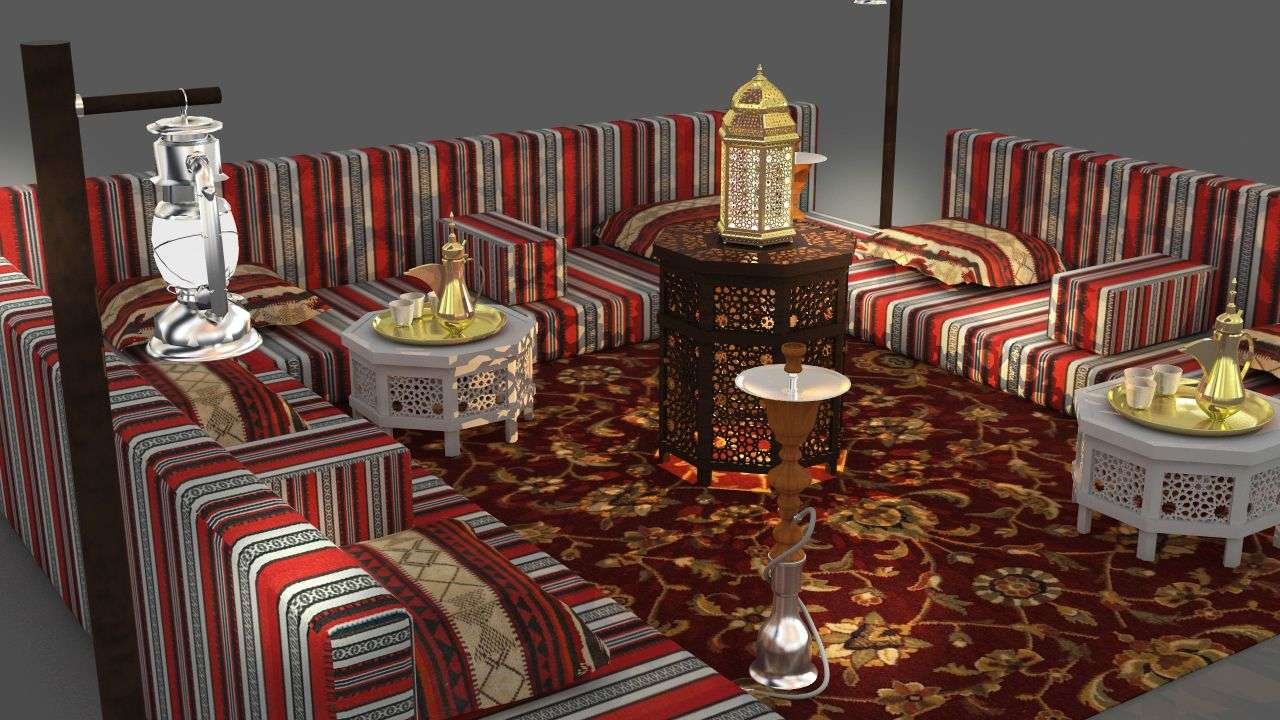
One of the most recognizable features of Arabic and traditional tents is their rich visual style. These tents are often decorated with intricate patterns, bold colors, and traditional motifs that reflect regional art and craftsmanship. The interior is typically enhanced with carpets, cushions, low seating, and decorative textiles, creating a warm and inviting atmosphere.
The layout of traditional tents is designed to encourage social interaction. Seating is usually arranged along the sides, allowing guests to face each other and engage in conversation. This creates a sense of connection and community that is often missing in modern, formal seating arrangements.
In modern applications, traditional design elements are often combined with contemporary materials and construction methods. This allows the tents to maintain their cultural look while meeting modern standards for safety, durability, and comfort.
Modern Uses of Arabic and Traditional Tents
Today, Arabic and traditional tents are widely used for cultural events, weddings, festivals, and private gatherings. They are popular for themed events where organizers want to create an authentic and immersive experience. These tents are also commonly used in desert camps, resorts, and tourism projects, where guests can enjoy a traditional environment with modern amenities.
Corporate events and brand activations also use traditional tents to create unique settings that stand out from conventional venues. The distinctive look of these tents helps create memorable experiences while reflecting cultural respect and storytelling.
In some regions, traditional tents are still used for religious and community gatherings, especially during special occasions and seasonal events. This keeps the cultural tradition alive while adapting to changing social and economic needs.
Comfort and Climate Adaptation
While traditional tents were originally designed to work naturally with desert climates, modern versions often include additional features to improve comfort. These may include insulated fabrics, lined interiors, air cooling or heating systems, and proper flooring. These upgrades allow traditional tents to be used in a wider range of climates and for longer durations.
Ventilation is another important aspect of traditional tent design. Openings, fabric layering, and strategic placement of entrances help regulate airflow and maintain a comfortable interior environment. This natural approach to climate control remains one of the strengths of traditional tent structures.
Materials and Construction
Modern Arabic and traditional tents are typically constructed using a combination of aluminum or steel frames and high quality fabric coverings. This ensures structural strength while preserving the traditional appearance. Fire retardant and weather resistant materials are commonly used to meet safety standards for public and commercial use.
Custom fabrication allows for different sizes, layouts, and decorative themes. This makes it possible to tailor each tent to the specific needs of an event, venue, or cultural project.
Conclusion
Arabic and traditional tents represent a unique blend of cultural heritage and practical design. They offer more than just shelter. They create spaces for connection, hospitality, and shared experiences. By combining traditional aesthetics with modern construction and comfort features, these tents continue to play an important role in cultural preservation, tourism, and contemporary event design. Their timeless appeal makes them a powerful way to honor tradition while meeting the needs of modern use.