
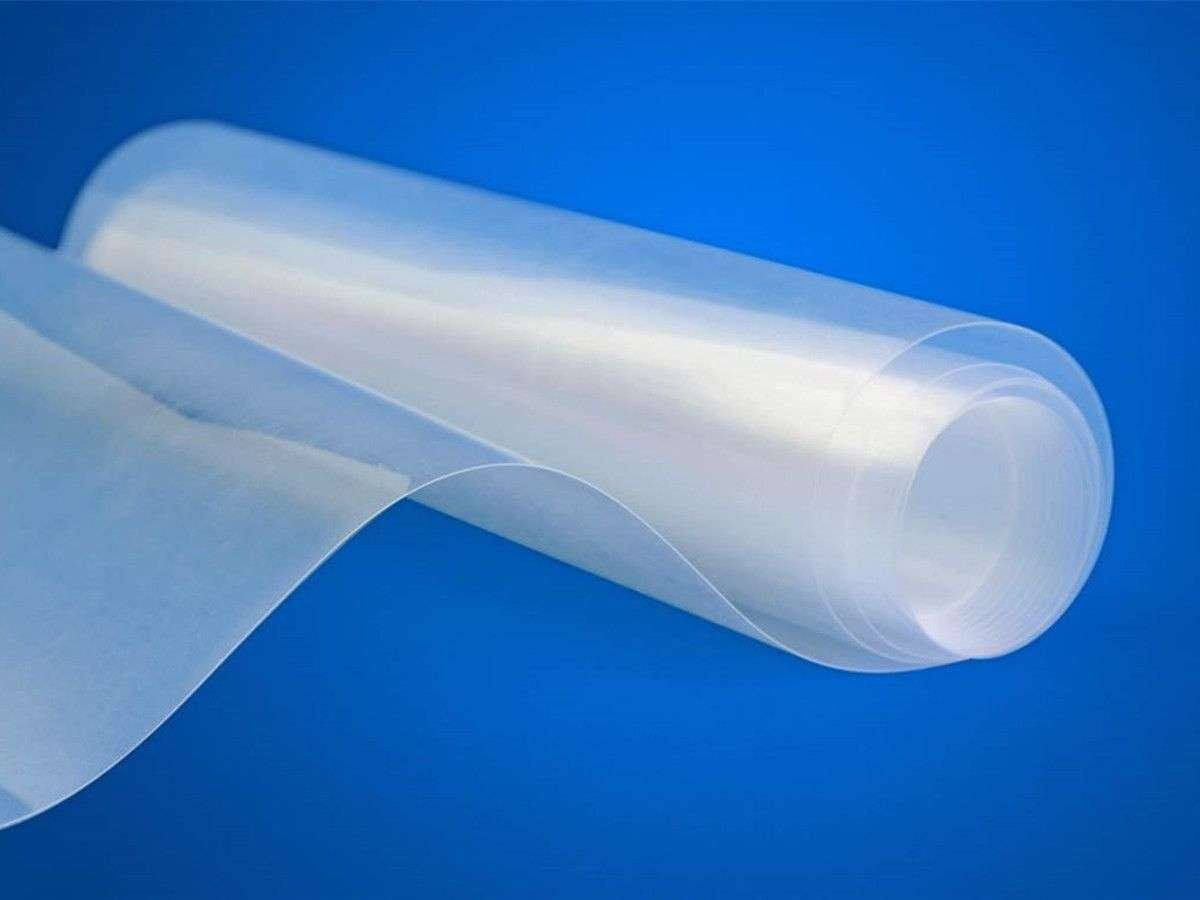
ETFE
ETFE, or Ethylene Tetrafluoroethylene, is a high-performance fluoropolymer material widely used in modern architectural and tensile structure applications. Known for its exceptional strength, light weight, and transparency, ETFE has become a preferred alternative to traditional materials such as glass and polycarbonate in large-span roofing, façades, and specialty enclosures.
ETFE is especially valued in projects where natural light, long-term durability, and innovative design are critical. Its unique properties make it ideal for both permanent and semi-permanent structures in commercial, public, and industrial environments.
Key Features of ETFE
1. Lightweight and High Strength
ETFE is extremely lightweight compared to glass, yet it offers excellent tensile strength. This allows designers and engineers to create large, open-span structures with reduced supporting framework, resulting in lower structural loads and material costs.
2. High Light Transmission
ETFE can transmit up to 90 to 95 percent of natural light, creating bright and energy-efficient interior spaces. This makes it ideal for greenhouses, atriums, stadium roofs, and shopping complexes where daylight is a major design requirement.
3. Excellent Weather and UV Resistance
ETFE is highly resistant to UV radiation, extreme temperatures, and harsh weather conditions. It does not yellow, become brittle, or degrade easily, even after long-term exposure to sunlight and outdoor environments.
4. Self-Cleaning Surface
One of the standout benefits of ETFE is its low surface energy, which gives it a natural self-cleaning property. Dust and dirt are less likely to adhere, and rainwater typically washes away most surface contaminants. This significantly reduces maintenance costs over time.
5. Long Service Life
ETFE is designed for long-term use and can last for several decades with minimal performance loss. Its resistance to chemicals, pollution, and environmental stress makes it suitable for urban, industrial, and coastal environments.
6. Design Flexibility
ETFE can be fabricated into single-layer membranes or multi-layer air-inflated cushion systems. These cushion systems provide enhanced thermal insulation and structural performance. ETFE can also be printed or tinted to control solar gain and glare while maintaining transparency.
Common Applications
ETFE is used in a wide range of modern architectural and specialty applications, including:
- Stadium and arena roofing
- Shopping mall atriums and skylights
- Airport terminals and transit hubs
- Botanical gardens and greenhouses
- Exhibition and convention centers
- Tensile membrane structures
- Facade systems and architectural canopies
- Swimming pool enclosures
Its combination of aesthetics and performance makes ETFE a premium choice for landmark and high-visibility projects.
Advantages of ETFE Over Traditional Materials
Compared to glass and rigid plastic panels, ETFE offers:
- Significantly lower weight
- Higher impact resistance
- Greater design freedom
- Reduced structural steel requirements
- Lower maintenance needs
- Excellent long-term clarity
These advantages often result in lower overall project costs and improved energy efficiency, especially in large-span applications.
Maintenance and Care
ETFE requires minimal maintenance. Occasional rinsing with clean water is usually sufficient to keep the surface clean. Its resistance to staining and chemical attack further reduces long-term upkeep costs.
Conclusion
ETFE is a cutting-edge material that enables innovative architectural designs while delivering outstanding performance, durability, and energy efficiency. Its light weight, transparency, and long service life make it an ideal solution for modern structures that demand both aesthetic appeal and technical excellence.