


PTFE Tarpaulins
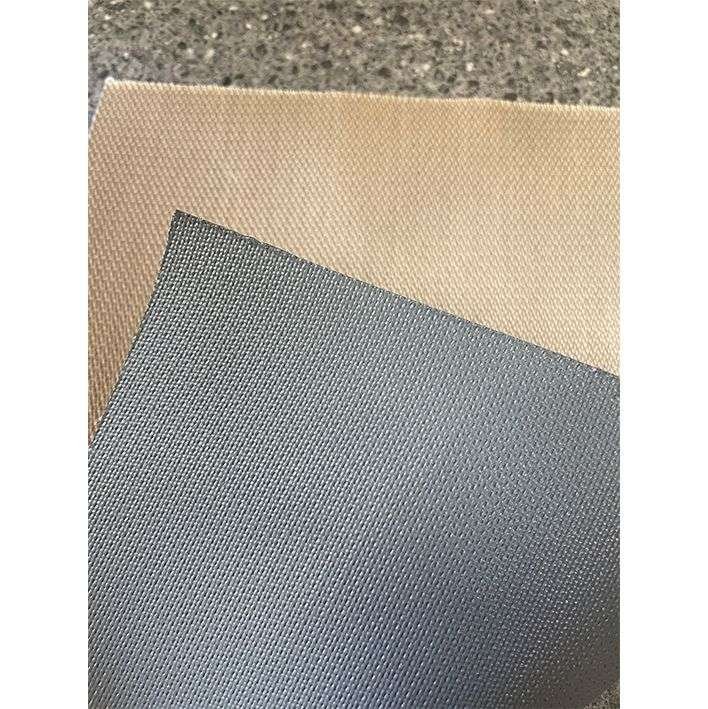
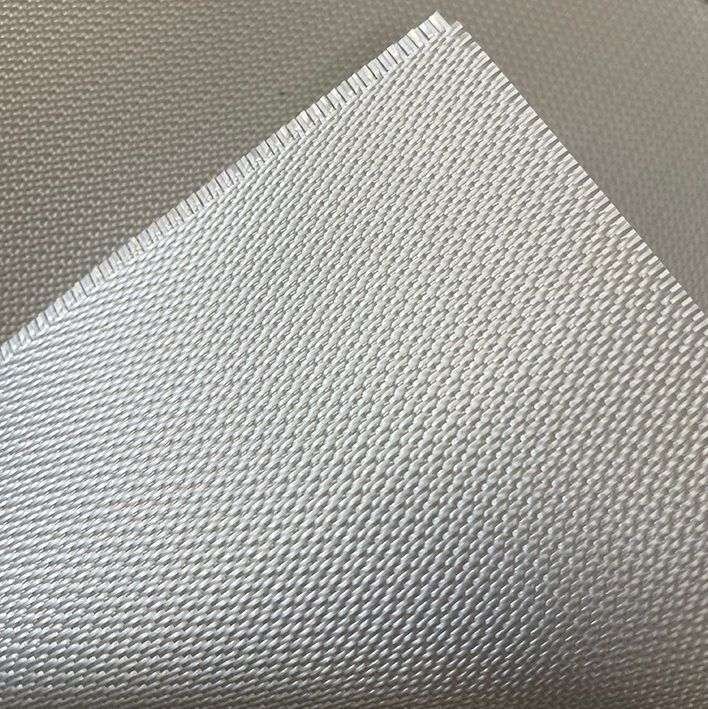
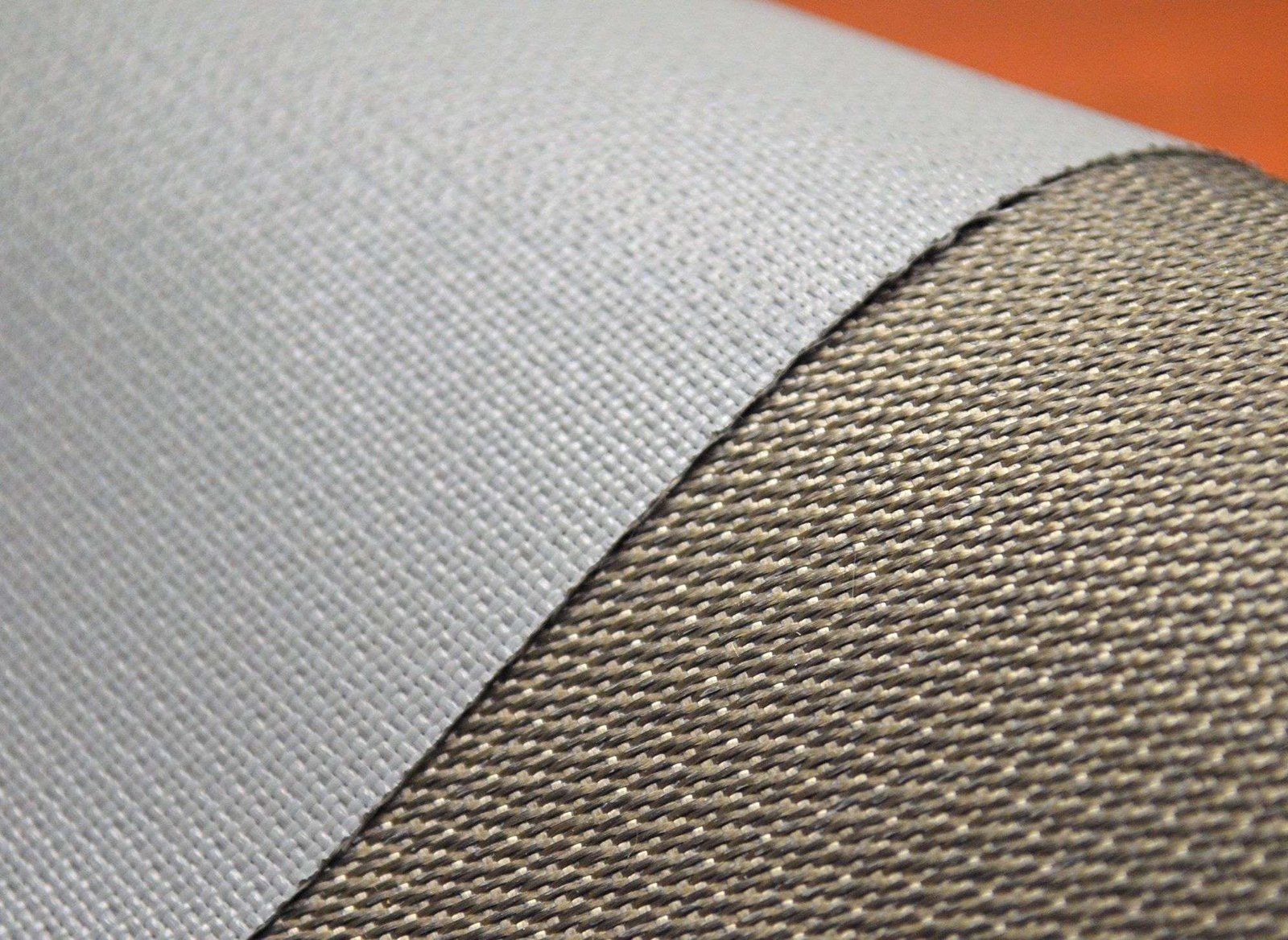
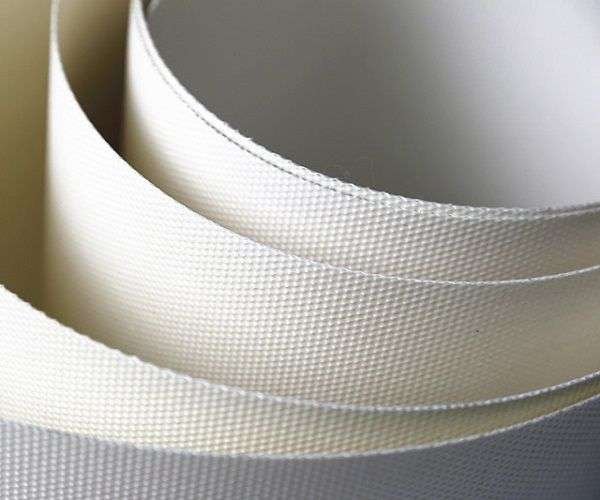
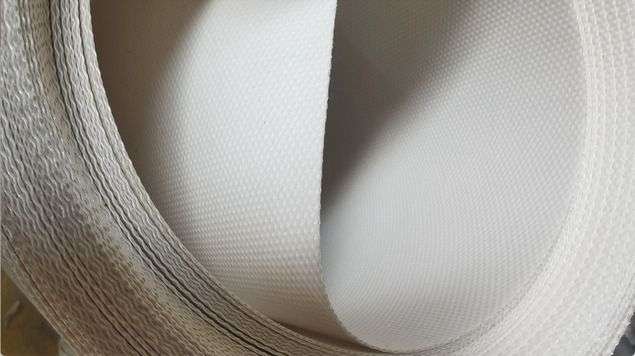
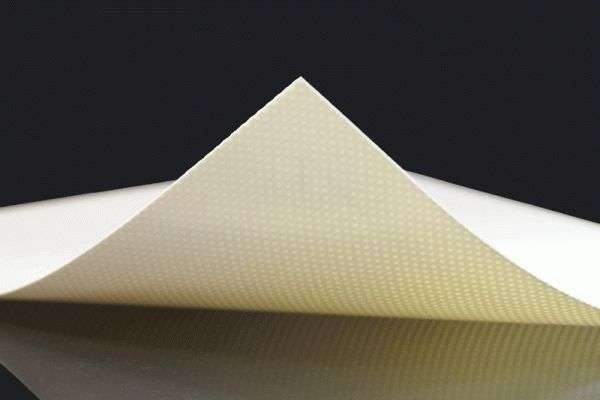
PTFE tarpaulins are premium-grade architectural and industrial fabric solutions known for their exceptional durability, weather resistance, and long service life. Made from fiberglass fabric coated with Polytetrafluoroethylene (PTFE), these tarpaulins are designed for demanding environments where strength, safety, and performance are critical.
PTFE is one of the most advanced coating materials used in tensile and protective fabrics. It provides a unique combination of mechanical strength, chemical resistance, and self-cleaning properties, making PTFE tarpaulins ideal for long-term outdoor and industrial applications.
Key Features of PTFE Tarpaulins
1. Exceptional Durability
PTFE tarpaulins are engineered to withstand extreme environmental conditions. The fiberglass base fabric gives high tensile strength, while the PTFE coating protects against wear, tearing, and degradation. These tarpaulins can last 20 to 30 years or more, making them one of the longest-lasting fabric solutions available.
2. Superior Weather Resistance
PTFE tarpaulins offer outstanding resistance to UV radiation, rain, snow, heat, and wind. They do not become brittle or fade easily, even under continuous exposure to sunlight. This makes them ideal for permanent or semi-permanent outdoor structures.
3. Fire Resistance and Safety
One of the most important advantages of PTFE tarpaulins is their excellent fire performance. PTFE-coated fabrics are naturally flame-resistant and meet strict international fire safety standards. They do not support combustion and produce very low smoke, making them suitable for public spaces and critical infrastructure.
4. Self-Cleaning Surface
PTFE has a non-stick, low-surface-energy property. This means dirt, dust, and pollutants do not easily adhere to the surface. Rainwater naturally washes away most contaminants, helping the fabric maintain a clean, bright appearance with minimal maintenance.
5. Chemical and Corrosion Resistance
PTFE tarpaulins are highly resistant to most chemicals, acids, alkalis, and environmental pollutants. This makes them suitable for industrial facilities, chemical plants, and coastal areas where corrosion and chemical exposure are common.
Common Applications
PTFE tarpaulins are widely used across architectural, commercial, and industrial sectors, including:
- Tensile membrane structures and roofing
- Stadium roofs and sports complexes
- Airport terminals and transport hubs
- Exhibition halls and large-span canopies
- Industrial warehouses and storage covers
- Walkway canopies and atriums
- Public plazas and commercial shading structures
Their strength-to-weight ratio allows designers to create large, elegant, and lightweight structures that are both functional and visually impressive.
Advantages Over Other Tarpaulin Materials
Compared to PVC, HDPE, or canvas tarpaulins, PTFE tarpaulins offer:
- Much longer lifespan
- Better fire resistance
- Higher resistance to UV and environmental aging
- Lower maintenance requirements
- Superior performance in extreme climates
Although PTFE tarpaulins have a higher initial cost, their long-term durability and reduced maintenance make them highly cost-effective over the lifetime of the structure.
Conclusion
PTFE tarpaulins represent the highest standard in technical fabric solutions. With unmatched durability, safety, and performance, they are the preferred choice for permanent architectural membranes and high-performance industrial applications. For projects that demand long life, low maintenance, and premium quality, PTFE tarpaulins deliver exceptional value and reliability.